Announcements
Functions and benefits of antioxidants
The antioxidants they are essential compounds that protect our body against cellular damage caused by free radicals, unstable molecules that affect health.
These compounds neutralize harmful reactions, preserving the integrity of cells and tissues, and supporting the prevention of various chronic diseases and aging.
Incorporating antioxidants into the diet is essential to maintain a healthy body and slow down degenerative processes.
Protection against free radicals
Free radicals are produced by both normal metabolism and external factors, such as pollution and stress, damaging cells and DNA if not controlled in time.
Announcements
Antioxidants work by neutralizing these radicals, preventing chain reactions that damage cells, which helps maintain optimal cellular function and health.
By acting as protective shields, these compounds limit oxidative damage, key to preserving healthy tissues and preventing further damage to the body.
Prevention of aging and diseases
Accumulated oxidative damage contributes to premature aging and the development of chronic diseases such as cancer, diabetes and cardiovascular problems.
Announcements
Consuming antioxidants helps delay these processes, promoting eye, cardiovascular and neurological health, in addition to improving the elasticity and health of the skin.
A diet rich in fruits, vegetables and other antioxidant foods is key to preventing disease and promoting healthy, active aging.
Natural sources of antioxidants in the diet
Antioxidants are found primarily in plant foods, which offer essential compounds to protect cells against oxidative damage.
These compounds include vitamins, minerals and bioactives that help neutralize free radicals and strengthen general health.
Knowing natural sources allows you to better incorporate these essential nutrients into your daily diet, promoting a healthy lifestyle.
Vitamins, minerals and bioactive compounds
Vitamins A, C and E are key antioxidants that combat oxidative stress and promote healthy cellular functions.
Minerals such as selenium and zinc also contribute to neutralizing free radicals, supporting cellular protection and the immune system.
In addition, bioactive compounds such as flavonoids, carotenoids and anthocyanins complement this antioxidant defense.
These nutrients are found in a varied range of foods that should be a priority in daily nutrition.
Foods rich in antioxidants recommended
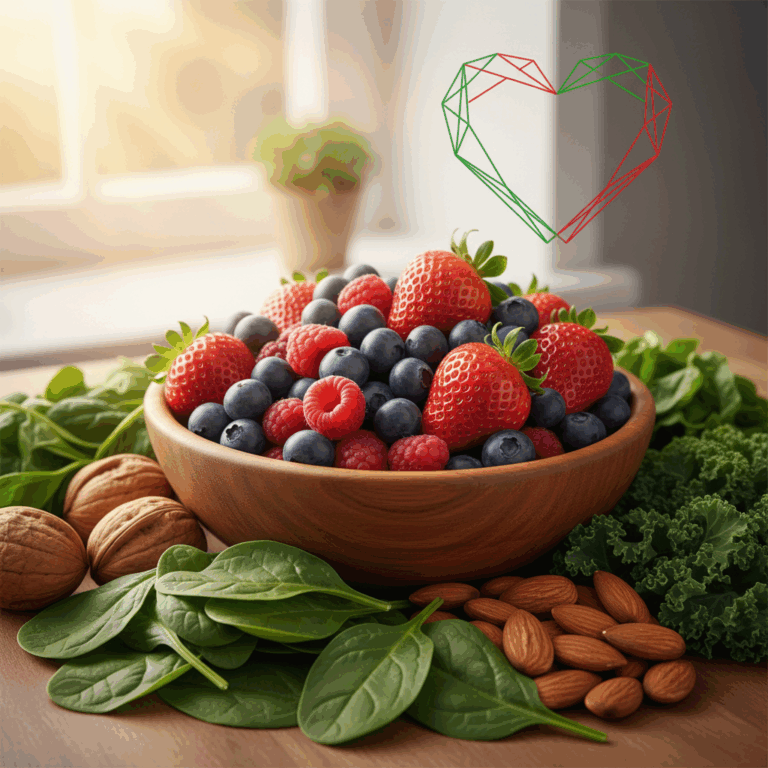
Red fruits, citrus fruits, and leafy green vegetables are abundant sources of antioxidants that protect against cellular damage.
Foods such as broccoli, grapes, tomatoes and nuts also provide these beneficial compounds for cardiovascular and neurological health.
Olive oil and dark chocolate with high cocoa content are other natural allies to improve antioxidant defense.
Including these varied foods promotes a nutritional balance that benefits multiple organs and vital functions.
Importance of colors in fruits and vegetables
Bright colors such as red, green, purple and orange in fruits and vegetables indicate high levels of natural antioxidants.
These pigments, responsible for color, are a reflection of bioactive compounds with powerful antioxidant capabilities to protect the body.
Opting for a diet that prioritizes these colors contributes to a more effective and diverse intake of antioxidants.
Interesting fact about pigments
For example, anthocyanins that give the purple or red color to certain fruits act as strong antioxidants and natural anti-inflammatories for the body.
Effects of oxidative damage on the body
Oxidative damage arises when free radicals exceed the body's antioxidant capacity, affecting cells, proteins and DNA.
This process accelerates aging and increases vulnerability to chronic diseases by damaging essential cellular structures.
Understanding these effects is crucial to assessing the importance of a diet rich in antioxidants and protecting overall health.
Origin and consequences of free radicals
Free radicals are generated naturally in the metabolism and by external factors such as pollution, radiation and stress.
When not neutralized, they cause cellular damage, inflammation and alterations in DNA that compromise organic function.
This imbalance leads to tissue deterioration and can trigger multiple degenerative disorders and diseases.
Relationship with chronic diseases and aging
Oxidative damage is linked to the appearance of diseases such as cancer, diabetes, atherosclerosis and neurodegenerative disorders.
In addition, it accelerates premature aging, affecting the appearance and functionality of vital organs and tissues.
A correct intake of antioxidants is key to slowing down these processes and promoting longevity with optimal health.
Recommendations for incorporating antioxidants
To take full advantage of the benefits of antioxidants, it is essential to perform healthy food choices and varied that include different food groups rich in these compounds.
A balanced diet that combines fruits, vegetables, nuts and seeds ensures a constant supply of antioxidants, supporting cellular protection and the general well-being of the body.
Small daily changes, such as preferring natural, fresh foods, optimize antioxidant intake and promote a healthy lifestyle.
Healthy and varied food choices
Including a wide variety of colorful foods, such as red fruits, green vegetables and nuts, is key to achieving a diet rich in antioxidants.
It is important to avoid processed foods and opt for natural, fresh and seasonal options to guarantee the highest content of protective bioactive compounds.
Incorporating both vitamins, minerals and bioactive antioxidants allows the body to be nourished with different defense mechanisms against oxidative stress.
In addition, diversifying foods improves the absorption and synergy between antioxidants, enhancing their effect on health.
Impact of a diet rich in antioxidants on health
A diet abundant in antioxidants helps reduce cellular damage caused by free radicals, reducing the risk of chronic diseases and premature aging.
This contributes to maintaining cardiovascular, neurological and dermatological health, promoting optimal functioning of the body in general.
Incorporating antioxidants regularly strengthens the immune system and improves the body's ability to combat daily oxidative stress.
Thus, eating habits rich in antioxidants are an effective strategy to promote longevity and quality of life.