Announcements
Impact of blue light on eye health
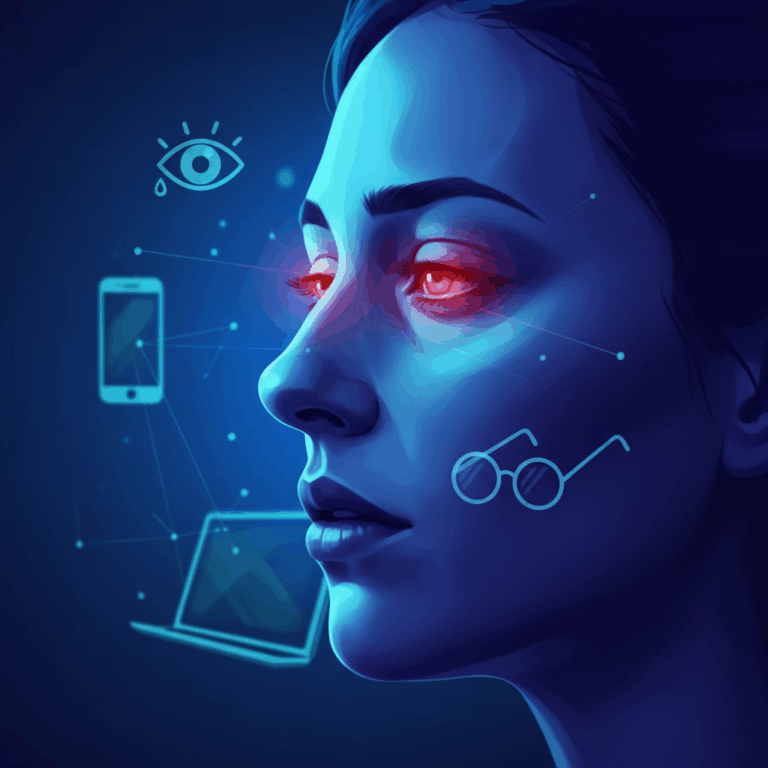
The blue light emitted by electronic devices can cause negative effects on eye health, primarily through digital eye strain. Constant use of screens affects visual comfort and function.
This high-energy light can cause immediate symptoms such as irritation, dryness, and blurred vision. Additionally, prolonged exposure can induce cellular damage and increase long-term eye risks.
Symptoms and immediate effects of digital eye strain
Digital eye strain manifests itself with symptoms such as dry eyes, redness and itching. These effects are common after long hours in front of screens without adequate rest.
It is also common to experiment blurred vision and feeling of eye tension. These signs warn about the need to modify habits to avoid major discomfort.
Announcements
Prolonged use without pauses can irritate the cornea and cause inflammation, contributing to general visual discomfort and compromising daily quality of life.
Cellular damage and long-term risks related to blue light
Blue light can cause oxidative stress and damage to photosensitive retinal cells, which in the long term could accelerate eye aging and cellular damage.
Cumulative damage can contribute to diseases such as macular degeneration and the formation of cataracts. However, more studies are still required to confirm these links.
Announcements
Special attention should be paid to people with high daily exposure, as the cumulative impact can be worrying, especially in vulnerable populations such as children.
How screens affect our eyesight
Screens emit blue light that penetrates deep into the eye, reaching the retina and causing possible damage to photosensitive cells. This can affect long-term visual function.
Although blue light from screens is less intense than solar light, continuous exposure can cause cellular stress and eye discomfort, especially in environments with prolonged use of electronic devices.
Penetration of blue light into the retina and its consequences
Blue light has a short wavelength that allows it to reach the retina, where it can cause cumulative photochemical damage to photosensitive cells. This can affect vision and eye health.
This damage can cause inflammation and oxidative stress in the retina, increasing the risk of long-term visual disorders, although scientific evidence is still developing to evaluate the magnitude of the effect.
Prolonged exposure to this light can contribute to visual fatigue and reduced visual quality, intensifying symptoms that affect daily eye well-being.
Difference between blue light from screens and sunlight
The blue light emitted by screens is significantly less intense than direct sunlight, which can be up to 30 times stronger even on cloudy days. This influences the level of potential damage.
However, prolonged exposure close to artificial sources increases the amount of blue light absorbed by the retina, which is why the cumulative risk can be worrying on electronic screens.
Sunlight also provides essential biological benefits, while artificial blue light lacks these natural effects and can affect the circadian rhythm if poorly managed.
Specific risks to children and eye health
Children's eyes are more sensitive to blue light, since their lens does not efficiently filter this high-energy light, increasing the risk of cellular damage and visual fatigue.
Early and prolonged exposure to electronic devices can interfere with healthy eye development, increasing the likelihood of vision problems in childhood and adolescence.
Therefore, it is essential to adopt specific preventive measures to protect children's eye health, such as limiting screen time and encouraging regular breaks to avoid future damage.
Strategies to protect your eyes from blue light
To minimize the impact of blue light on eye health, it is crucial to adopt effective strategies that reduce eye strain and protect eye cells. These actions help maintain visual comfort and prevent long-term damage.
Implementing regular breaks, adjusting screen settings and using specific filters are simple but effective measures to take care of our eyes in today's digital environment.
Use of pauses and adjustments in electronic devices
It is recommended to apply the 20-20-20 rule: every 20 minutes, look at an object at 20 feet (about 6 meters) for 20 seconds to relieve eye strain. This practice reduces eye strain caused by continuous exposure to screens.
Additionally, adjusting the brightness and contrast of devices to comfortable levels prevents excess light that can increase eye irritation and fatigue. Reducing reflections also helps with better focus.
Limiting the time of continuous use without pauses and alternating visual tasks allows the eyes to rest, reducing the dryness and redness common in intensive technology users.
Filters and lenses for blocking blue light
There are lenses with special coatings designed to block a significant portion of the blue light emitted by digital displays, reducing direct exposure to harmful spectrum.
These filters can reduce eye strain and improve comfort, especially for those who spend many hours in front of devices, helping to prevent symptoms such as eye irritation and itching.
It is also possible to install screen protectors with a blue filter, which limit the passage of this light and reduce the visual impact without affecting the image quality.
Measures to maintain hydration and avoid eye irritation
Dry eyes are a common symptom associated with prolonged exposure to screens. Using artificial tears or eye lubricants can combat irritation and maintain proper hydration on the surface of the eye.
Additionally, frequent conscious blinking helps distribute natural tears, preventing evaporation by reducing constant exposure to blue light and dry air.
Maintaining an environment with adequate humidity and avoiding direct drafts on the face helps prevent dryness and eye discomfort related to screens.
Recommendations for healthy use of screens
Limiting exposure to blue light, especially before bed, is essential for maintaining eye health and circadian rhythm balance. Blue light affects the production of melatonin, essential for sleep.
Establishing schedules for the use of electronic devices reduces eye strain and improves the quality of night's rest. This helps prevent eye irritation and discomfort caused by overexposure.
Importance of limiting exposure before bed
Exposure to screens before bed inhibits the production of melatonin, affecting the quality of sleep and rest necessary for eye recovery. This can increase eye strain and other symptoms.
Turning off or reducing the brightness of electronic devices at least one hour before bedtime can promote restful sleep and reduce the negative impact of blue light on the eyes and sleep.
In addition, the blue light emitted at night alters the biological circadian rhythm, which affects general health beyond sight, highlighting the importance of controlling its use at night.
Adoption of habits to take care of your eyesight in the digital age
Implementing regular breaks, such as the 20-20-20 rule, helps rest your eyes and reduce eye strain caused by prolonged screen use. Looking at a distance every 20 minutes is very beneficial.
Adjusting the brightness and contrast of screens to make it comfortable and using blue light filters can minimize eye irritation and pain. These simple measures make a big difference in daily eye health.
Maintaining proper eye hydration through artificial tears prevents dryness and redness. It is also recommended to organize the spaces to avoid reflections that further fatigue the eyes.