Announcements
The intestinal microbiota and its function in health
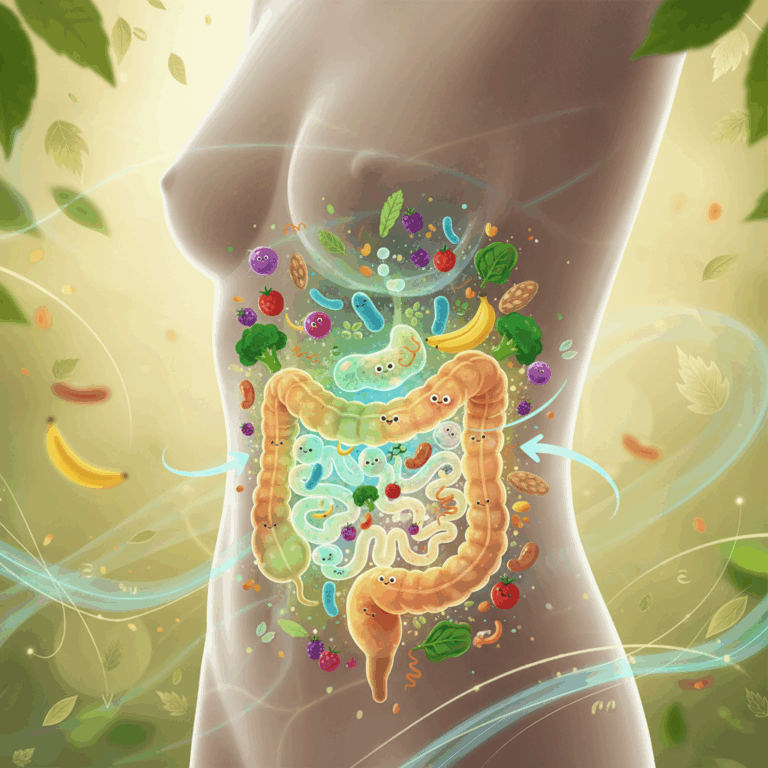
The intestinal microbiota it is made up of billions of microorganisms that inhabit the digestive tract. Its balance is essential to maintain general health and well-being.
These bacteria perform vital functions in digestion, absorption of nutrients and regulation of the immune system, promoting a healthy and protected body.
A well-balanced microbiome contributes to the prevention of diseases and the strengthening of the body's natural defenses.
Composition and role of the intestinal microbiota
The microbiota is made up of a complex community of bacteria, fungi and viruses that coexist in the intestine, playing a central role in human health.
Announcements
Its composition varies depending on diet, environment and lifestyle, but it always works to break down food and produce beneficial compounds.
These microbial populations regulate metabolic processes, synthesize vitamins and maintain the integrity of the intestinal mucosa.
An imbalance in the microbiota can lead to digestive disorders and increase susceptibility to infections and chronic diseases.
Announcements
Impact on digestion and the immune system
The microbiota facilitates the digestion of complex foods, transforming them into nutrients accessible to the body.
In addition, it collaborates in the production of short-chain fatty acids that nourish intestinal cells and regulate inflammation.
In the immune system, the microbiota modulates the defensive response, training cells to recognize and attack pathogens.
It is estimated that 60% of immune cells are located in the intestine, evidencing the close relationship between microbiota and immune health.
Benefits of a balanced intestinal microbiota
A balanced intestinal microbiota it is essential to optimize digestion, prevent diseases and maintain a strong immune system. Its impact on health is broad and significant.
The balance between different intestinal bacteria favors healthy metabolic processes and protects the body against pathogens and metabolic alterations.
These benefits contribute to overall well-being, supporting vital functions such as nutrient synthesis and prevention of chronic disorders.
Improvement in digestion and prevention of diseases
A balanced microbiota facilitates the efficient breakdown of food, improving the absorption of essential nutrients for the body.
In addition, it reduces intestinal inflammation and prevents alterations that can lead to digestive diseases, such as irritable bowel syndrome.
Its protective function also helps reduce the risk of infections and chronic inflammatory diseases, maintaining the health of the digestive tract.
Contribution to metabolic and cardiovascular health
The microbiota intervenes in the regulation of metabolism, influencing the transformation of nutrients and energy balance in the body.
Participates in the modulation of cholesterol and blood pressure, contributing to the prevention of cardiovascular diseases.
A healthy microbiome also helps control body weight and reduces systemic inflammation, key factors for metabolic health.
Protection against pathogens and nutrient synthesis
The microbiota acts as a natural barrier, inhibiting the colonization of pathogenic microorganisms that can cause infections.
Likewise, some bacteria produce essential vitamins, such as K and several group B vitamins, essential for the proper functioning of the body.
This protection and production contribute to strengthening the immune response and maintaining the nutritional balance necessary for comprehensive health.
Strategies to maintain a healthy intestinal microbiota
To preserve one balanced intestinal microbiota, it is essential to adopt habits that favor its diversity and functionality. These include food and lifestyle practices.
Proper care involves a nutrient-rich diet, reducing the use of certain medications, and supporting specific supplements that promote intestinal health.
These strategies improve digestion, strengthen the immune system and prevent long-term digestive problems.
Adequate diet and fiber consumption
A balanced diet, rich in fruits, vegetables and whole grains, provides the fiber necessary to feed the beneficial bacteria in the microbiota.
Fiber acts as a prebiotic, promoting the growth of microorganisms that produce short-chain fatty acids, essential for intestinal health.
In addition, avoiding ultra-processed foods rich in sugars helps maintain a balanced and efficient microbial ecosystem.
Avoid medications that alter the microbiological balance
The indiscriminate use of antibiotics and other drugs can damage the microbiota, reducing its diversity and functionality.
It is important to use them only under medical prescription and for the indicated time to minimize their negative impact on the digestive system.
Alternatives such as probiotics can be considered to recover and maintain the balance of the intestinal flora after medical treatments.
Use of probiotics and prebiotics
Probiotics are live microorganisms that, consumed in adequate quantities, strengthen and restore the intestinal microbiota.
On the other hand, prebiotics are substances that stimulate the growth of beneficial bacteria, promoting a healthy intestinal environment.
Tips for incorporating probiotics and prebiotics
Fermented foods such as yogurt, kefir and sauerkraut are natural sources of probiotics, ideal for daily inclusion in the diet.
To obtain prebiotics, foods such as garlic, onion, bananas and asparagus are recommended, which feed existing healthy bacteria.
Lifestyle and intestinal health
The Lifestyle it plays a crucial role in intestinal health, directly influencing the composition and functionality of the microbiota.
Habits such as regular exercise and good rest help maintain microbial balance, which is vital for digestive and general well-being.
On the other hand, proper stress management also contributes significantly to strengthening intestinal health.
Importance of exercise and rest
The physical exercise regular promotes intestinal motility and improves blood circulation, factors that stimulate a healthy microbiota.
Additionally, physical activity helps reduce inflammation and balance the immune system, which benefits digestive function.
For its part, a adequate rest it allows cell regeneration and maintains a strong immune system, essential elements for a healthy intestine.
Lack of sleep can negatively alter the microbiota, increasing the risk of digestive and metabolic disorders.
Stress reduction to strengthen the microbiota
The chronic stress it can alter the composition of the intestinal microbiota, affecting its function and increasing inflammation.
Reducing stress through techniques such as meditation, deep breathing or relaxing activities improves intestinal health.
A relaxed atmosphere helps regulate the production of hormones and neurotransmitters that modulate the intestinal immune response.
Strengthening the microbiota through stress management contributes to better digestion and greater resistance to diseases.