Announcements
Fundamentals of fiber and its classification
The fiber it is a fundamental dietary component that influences digestive health and the prevention of chronic diseases. It is found in natural foods and is not digestible by the body.
Consuming fiber provides important benefits, such as improving intestinal transit, promoting the microbiota and protecting against digestive and metabolic conditions. Its consumption should be an essential part of the daily diet.
Definition and natural sources of fiber
Fiber is a plant substance present in fruits, vegetables, legumes, whole grains, nuts and seeds. It is not digested, but it fulfills essential functions for the digestive system.
It is made up of carbohydrate polymers resistant to enzymatic digestion. This allows it to reach the colon intact, where it exerts beneficial effects on intestinal and general health.
Announcements
Natural sources of fiber include foods such as apples, carrots, lentils, oats, almonds and chia seeds, which bring variety and quality to a balanced diet.
Types of fiber: soluble and insoluble
Fiber is classified as soluble and insoluble according to its behavior in water. The fiber soluble it forms gels and helps control glucose and cholesterol, which promotes metabolic health.
On the other hand, fiber insoluble it increases the volume of stool and facilitates its evacuation, preventing constipation and related problems such as hemorrhoids.
Announcements
Both types of fiber are necessary for a healthy digestive system, since they act in a complementary way in the regulation of intestinal transit and general well-being.
Impact of fiber on digestive function
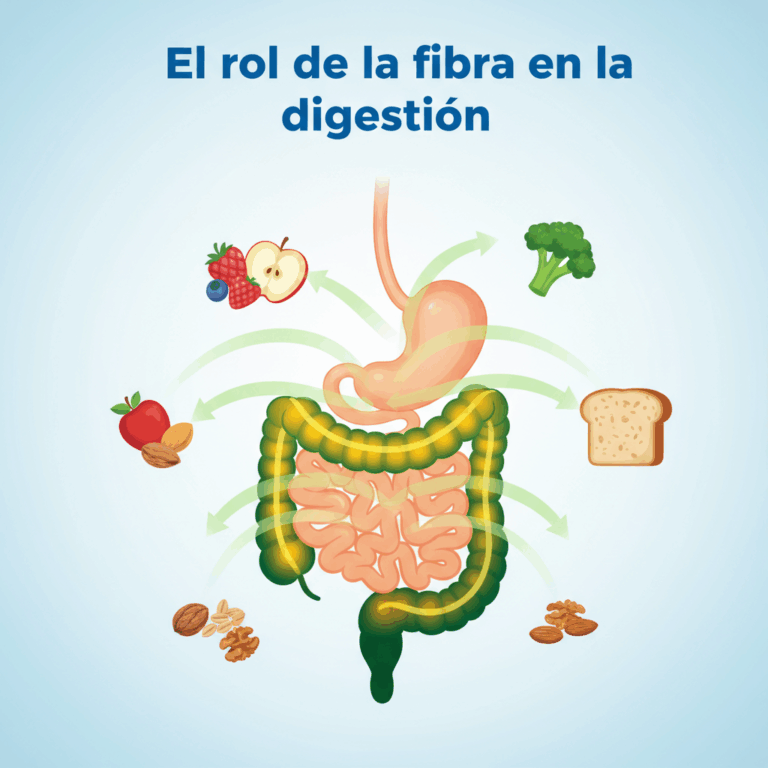
Fiber plays an essential role in the digestive function, facilitating important processes for the well-being of the gastrointestinal system.
Its regular consumption contributes to the prevention of digestive disorders and improves intestinal health through multiple mechanisms.
Understanding how fiber works helps optimize your intake and take advantage of all its benefits for healthy digestion.
Regulation of intestinal transit and prevention of disorders
Insoluble fiber increases the volume and consistency of stool, facilitating intestinal evacuation and preventing constipation.
It also absorbs water, helping to solidify stool in cases of diarrhea, which improves regularity and prevents discomfort.
These effects reduce the risks of conditions such as hemorrhoids and diverticulosis, promoting optimal intestinal transit.
Contribution to the balance of the intestinal microbiota
Fiber acts as a prebiotic, stimulating the growth of beneficial bacteria that maintain a healthy balance in the microbiota.
This balance strengthens the immune system and promotes the production of short-chain fatty acids, essential for intestinal health.
A balanced microbiome reduces inflammation and protects against digestive diseases and other associated disorders.
Reduction in the risk of inflammatory digestive diseases
Regular fiber consumption is associated with a lower incidence of inflammatory diseases of the digestive tract, such as ulcerative colitis.
Its anti-inflammatory action and the improvement of the intestinal microbiota contribute to protecting the colon against pathological processes.
Thus, a diet rich in fiber is key to maintaining digestive well-being and preventing chronic inflammatory complications.
Role of fiber in the prevention of chronic diseases
The dietary fiber it is essential for preventing chronic diseases by helping to control several key metabolic factors that affect overall health.
Its regular consumption is linked to reducing the risks of diabetes, cardiovascular problems and overweight, thus improving long-term quality of life.
Control of glucose, cholesterol and body weight
Soluble fiber dissolves in water forming gels that slow glucose absorption, helping to maintain stable blood sugar levels and preventing glycemic spikes.
This property is beneficial for people with type 2 diabetes or who seek to prevent its development, as it improves insulin sensitivity and regulates carbohydrate metabolism.
Likewise, soluble fiber contributes to reducing LDL cholesterol by binding to bile acids in the intestine, facilitating their excretion and reducing cardiovascular risk.
The satiating effect of fiber, by delaying gastric emptying, promotes appetite control and helps maintain a healthy weight, which is essential in the prevention of obesity and its complications.
Recommendations for daily fiber intake
The adequate intake of daily fiber it is essential to maintain digestive health and prevent chronic diseases. It is recommended to consume between 20 and 35 grams per day.
Choosing natural sources such as fruits, vegetables, legumes and whole grains guarantees a variety of fibers and essential nutrients for the body.
Ideal quantity and recommended sources
The appropriate amount of fiber varies depending on age and sex, but a consumption between 20 and 35 grams daily is ideal for most adults.
Recommended sources include fruits such as apples and pears, vegetables such as carrots and broccoli, legumes such as lentils, and whole grains.
Nuts and seeds also provide fiber and healthy fats, enriching a balanced diet complete with nutrients.
Strategies to incorporate fiber into the daily diet
To increase fiber intake, it is advisable to include vegetables in each meal, choose whole grain breads and cereals, and consume fruits as a healthy snack.
Incorporating legumes several times a week and adding seeds to yogurts or salads are simple and effective ways to add fiber.
In addition, drinking plenty of water helps fiber act correctly in the digestive tract, improving its function and benefits.