Announcements
Negative effects of sugar on the skin
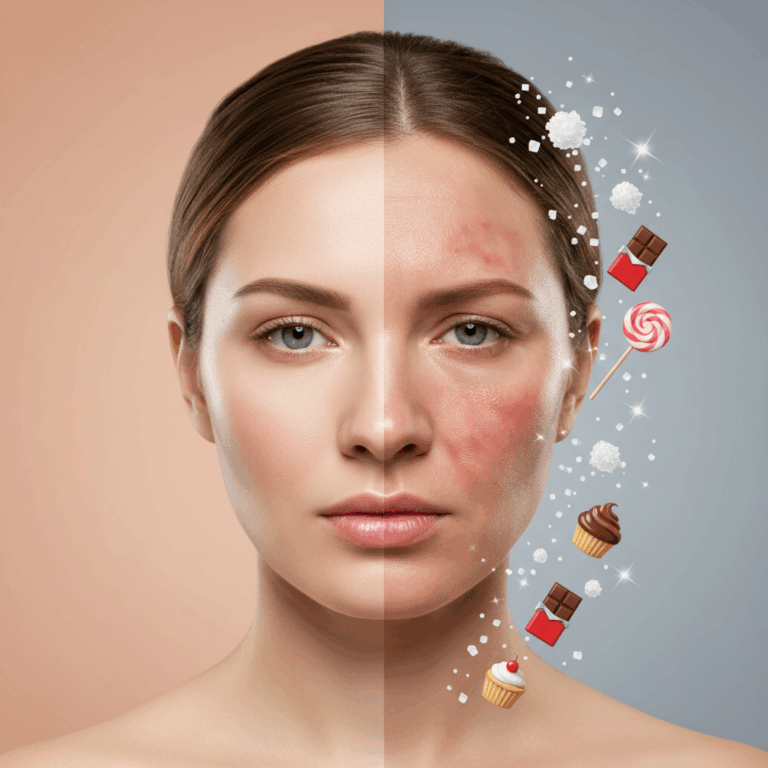
Excessive consumption of sugar it negatively affects the health of the skin, accelerating its aging and causing obvious problems. This damage is the result of biochemical processes that compromise the skin structure.
In addition, sugar generates inflammation and oxidative stress that damage skin cells, hindering their regeneration and causing them to lose firmness and elasticity over time.
Glycation and damage to collagen and elastin
The glycation it occurs when glucose molecules bind to vital proteins such as collagen and elastin in the skin. This forms the advanced glycation end products (AGEs) that damage these proteins.
AGEs make collagen and elastin rigid and less functional, which reduces the elasticity and firmness of the skin, favoring the appearance of wrinkles, sagging and loss of luminosity.
Announcements
This structural damage is irreversible and compromises the integrity of the dermal matrix, accelerating premature aging and deteriorating the youthful appearance of the skin.
Inflammation and oxidative stress caused by sugar
Excess sugar causes blood glucose spikes that generate inflammatory processes and oxidative stress in skin cells. These conditions damage DNA and cell membranes.
Chronic inflammation multiplies the production of free radicals that destroy proteins and lipids essential for skin health, affecting the skin's natural regeneration capacity.
Announcements
In this way, the skin becomes more vulnerable, sensitive and prone to problems such as acne, redness and accelerated aging.
Specific skin problems related to sugar
Excessive consumption of sugar it is linked to various skin problems that affect the appearance and health of the skin. These problems include acne, premature aging, and alterations in texture and tone.
These conditions arise due to biochemical mechanisms that alter normal skin functions, aggravated by the inflammatory and hormonal effects that sugar induces.
Acne and excessive sebum production
Sugar raises insulin levels, which stimulates the sebaceous glands to produce tallow in excess. This increase can block pores and facilitate the appearance of acne.
In addition, sugar contributes to skin inflammation, worsening the condition and making it difficult to control breakouts, especially in skin prone to this problem.
Premature aging and loss of firmness
Glycation caused by sugar deteriorates collagen and elastin, essential for firmness and skin elasticity. This causes premature wrinkles and loss of tone.
Structural damage reduces the regenerative capacity of the skin, accelerating the appearance of signs of aging, such as sagging and visible roughness.
Uneven tone and irregular textures
High sugar consumption causes inflammation and oxidative stress, which can lead to uneven tone of the skin and rough or irregular textures over time.
These effects cause the skin to lose luminosity and become dull, making it difficult to maintain a uniform and healthy appearance.
Biological mechanisms behind the damage caused by sugar
Sugar affects the skin at a molecular level through complex processes that damage its structural components. These biological mechanisms explain how high consumption deteriorates skin health.
Understanding these processes is essential to identify strategies that prevent premature aging and other sugar-derived skin problems.
Advanced glycation end products (AGEs)
AGEs are formed when sugar binds to proteins such as collagen, modifying them and causing them to lose flexibility and function. This leads to less firm skin and more prone to wrinkles.
These harmful molecules cause rigidity in the dermal matrix, altering the regenerative capacity of the skin and promoting chronic inflammation that aggravates skin aging.
Additionally, AGEs interfere with cell signaling, affecting natural collagen production and accelerating the degradation of fibers essential for healthy skin.
Insulin levels and their impact on the skin
Excessive sugar consumption raises blood insulin levels, a hormone that stimulates sebum production by the sebaceous glands. This excess favors the obstruction of pores and the development of acne.
Insulin also activates inflammatory pathways and increases growth factors that can cause hyperplasia of skin cells, worsening existing skin conditions and altering their balance.
These hormonal spikes contribute to an inflammatory environment that accelerates cellular damage, evident in skin with irregular texture and greater susceptibility to breakouts and premature aging.
Preventive measures and skin care
Reduce consumption of sugar it is essential to protect the skin from long-term damage. Adopting healthy habits positively impacts your health and appearance.
Proper skin care should be complemented with a balanced diet, limiting refined and processed sugars that can trigger inflammation and glycation.
Reduction of sugar consumption
Reducing sugar intake helps avoid glucose and insulin spikes, reducing glycation and the formation of AGEs that damage collagen and elastin.
Avoiding sugary drinks and processed snacks helps prevent chronic inflammation, the main cause of premature aging and problems such as acne.
Opting for natural foods rich in antioxidants also promotes cellular repair and improves the skin's resistance to oxidative stress.
Improvements in the health and appearance of the skin
By reducing sugar consumption, the skin regains elasticity and firmness, with a significant reduction in wrinkles and sagging.
A notable decrease in inflammatory outbreaks such as acne is observed, achieving a more uniform tone and a soft, luminous texture.
Properly moisturizing the skin and adopting gentle cleansing routines enhance these benefits, maintaining healthy and protected skin.