Announcements
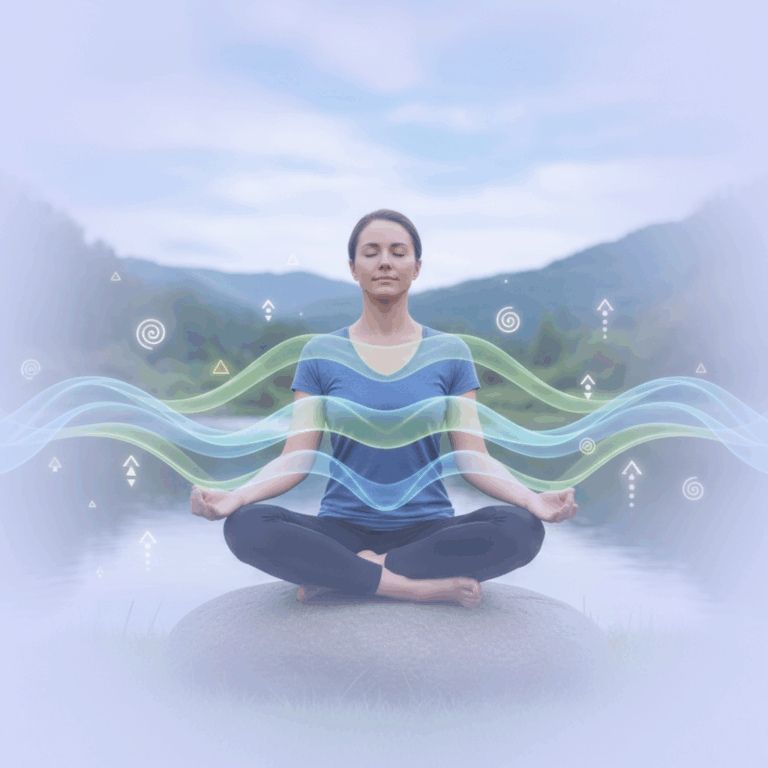
Benefits of deep breathing
The deep breathing it is essential to improve general well-being, helping to regulate emotions and physical states. Practicing it frequently brings multiple healthy benefits.
Among its main advantages, the anxiety reduction and the ability to increase mental concentration. These qualities make it ideal for managing daily stress.
In addition, deep breathing activates internal mechanisms that promote relaxation and health, positively impacting the body and mind in the long term.
Reduction of anxiety
Breathing deeply induces the activation of the parasympathetic nervous system, responsible for relaxation and calm. This significantly reduces anxiety levels.
Announcements
Taking slow, deep inhalations reduces heart rate and blood pressure, contributing to a calmer, more balanced fitness.
This practice allows you to control the body's response to stress, avoiding exaggerated reactions and improving the feeling of emotional control.
Improved concentration
Deep breathing also helps calm the mind, reducing distractions and promoting greater mental clarity for focus on tasks.
Announcements
Practicing specific techniques promotes brain oxygenation, which increases cognitive capacity and performance in various activities.
By maintaining conscious breathing, attention is strengthened and better management of time and mental effort is achieved during the day.
Main deep breathing techniques
There are different methods to practice the deep breathing, each with unique approaches to improve relaxation and well-being. These methods facilitate improved control of the body and mind.
The most effective techniques usually focus on slow, deep inhalation along with controlled exhalation, promoting a balance between the nervous system and the emotional state.
Knowing and applying these techniques allows you to make the most of the benefits of deep breathing at different times of the day and in stressful situations.
Diaphragmatic or abdominal breathing
This technique focuses on using the diaphragm to expand the abdomen during inhalation, allowing for fuller, more efficient breathing.
Place one hand on your chest and one on your abdomen to feel your breathing. Inhale slowly through your nose until your abdomen rises and exhale through your mouth as your abdomen lowers.
Diaphragmatic breathing promotes the reduction of muscle tension and improves oxygenation, being very useful to counteract daily stress.
Technique 4-7-8
The 4-7-8 technique consists of inhaling for 4 seconds, holding your breath for 7 seconds and exhaling slowly in 8 seconds, promoting deep calm.
This practice helps to quickly reduce anxiety and is especially effective in facilitating falling asleep in people with sleeping difficulties.
By repeating this cycle several times, the parasympathetic nervous system is stimulated, promoting a state of deep relaxation and mental well-being.
Physiological effects of deep breathing
Deep breathing triggers important physiological changes that contribute to body and mental relaxation. These effects are key to reducing stress and improving health.
By concentrating on slow, deep breathing, internal mechanisms are activated that promote homeostasis, generating a natural calm response in the body.
Understanding these effects allows us to assess how conscious breathing directly influences the functioning of the nervous and cardiovascular systems.
Activation of the parasympathetic nervous system
Deep breathing stimulates the parasympathetic nervous system, responsible for rest and digestion functions. This induces a state of tranquility and relaxation.
By increasing parasympathetic activity, the production of stress hormones such as cortisol is reduced, facilitating a feeling of calm and emotional control.
This activation also improves the body's ability to recover from daily stress, strengthening mind-body balance.
Decreased heart rate and blood pressure
Practicing deep breathing reduces heart rate by decreasing oxygen demand and activating calming responses in the nervous system.
Additionally, blood pressure drops as a result of muscle relaxation and dilation of blood vessels, which benefits cardiovascular health.
These physiological changes help mitigate the negative effects of chronic stress and promote a better quality of life in the long term.
Applications and long-term benefits
The constant practice of deep breathing it offers multiple long-lasting benefits that improve quality of life, especially related to rest and mental health.
Incorporating these techniques into the daily routine strengthens emotional well-being, promoting resilience to stress and facilitating sustained psychological balance.
Furthermore, the positive effects are reflected in deep relaxation and the ability to manage complex emotions, promoting a healthier life in every way.
Sleep reconciliation
Breathing deeply helps prepare the body for rest by activating the parasympathetic nervous system, slowing the heart rate and relaxing the mind.
This relaxation facilitates the transition to restful sleep, especially in people who suffer from insomnia or difficulty disconnecting at the end of the day.
The 4-7-8 technique is particularly effective in inducing sleep, as it quickly reduces tension and promotes a state of deep calm.
Strengthening mental health
Practicing deep breathing regularly reduces anxiety, stress and symptoms of depression, contributing to better daily emotional balance.
This habit promotes greater mental clarity and healthier emotional management, helping to face challenges and adversities with greater serenity.
By strengthening mental health, quality of life is improved and vulnerability to psychological disorders related to chronic stress is reduced.