Announcements
Physical effects of prolonged stress
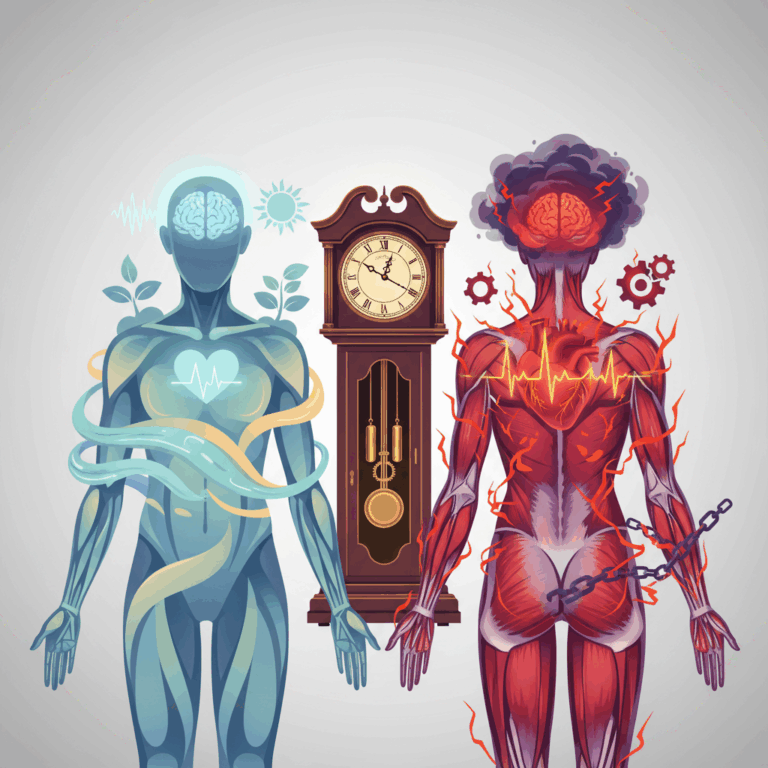
The prolonged stress it keeps the body in a constant state of alert, causing the continuous release of hormones such as cortisol and adrenaline. This negatively affects physical health.
Effects include persistent fatigue and muscle tension, which can cause tension headaches or low back pain, as well as impacts on vital organs. Understanding these alterations is key to its management.
Hormonal alterations and body response
Chronic stress generates a constant release of stress hormones, mainly cortisol and adrenaline, which alter the body's normal response. These hormones keep systems activated that should rest.
This hormonal activation causes physical symptoms such as increased heart rate, muscle tension and fatigue, affecting the body's natural ability to recover and maintain physiological balance.
Announcements
Additionally, elevated cortisol can affect metabolism and immune function, weakening defenses and increasing vulnerability to infections and diseases.
Consequences on main systems and organs
Sustained stress directly impacts vital systems, causing cardiovascular problems such as hypertension and increased risk of diabetes and obesity. These effects are due to the constant activation of the body.
The muscular system suffers with constant tension, leading to chronic back and headache pain, while the immune system weakens, facilitating the appearance of various diseases.
Announcements
Other organs such as the digestive and reproductive organs are also affected, presenting various health problems and decreased quality of life if stress is not adequately controlled.
Mental and emotional impact of chronic stress
Chronic stress significantly affects mental health, causing a series of psychological disorders that impact emotional well-being and quality of life. These alterations require specialized care to avoid major complications.
Furthermore, continuous exposure to stress can deteriorate cognitive functions and modify social behavior, generating a vicious circle that makes adaptation and interaction with the environment difficult.
Associated psychological disorders
Prolonged stress is closely linked to the appearance of disorders such as anxiety and depression, which affect mood and the ability to cope with everyday situations.
These disorders manifest themselves in symptoms such as irritability, persistent sadness and difficulty relaxing, making emotional recovery and the management of personal problems difficult.
Lack of treatment increases the risk of worsening, making it difficult to social reintegration and maintain balanced mental health in the long term.
Cognitive impairment and brain function
Chronic stress can affect memory and reduce concentration, making it difficult to perform in daily and professional activities. The constant release of cortisol alters normal brain function.
These alterations also affect the ability to make decisions and solve problems, increasing frustration and the feeling of inability.
The accumulated damage can affect brain regions responsible for emotional regulation, exacerbating pre-existing psychological disorders.
Social relationships and behavior
Sustained stress negatively influences social relationships, generating isolation, conflicts and difficulties in communicating with family and colleagues.
People may exhibit irritable or withdrawn behaviors, thus affecting their social environment and increasing the feeling of loneliness and helplessness.
Emotional and social deterioration represents an obstacle to recovery, so it is essential to promote support systems and strategies to improve interpersonal interaction.
Physiological mechanisms involved in stress
Prolonged stress alters multiple bodily functions by keeping the sympathetic nervous system active. This generates changes in heart rate, breathing and metabolism.
These physiological modifications are initial adaptive responses, but their persistence can produce organ damage and functional disorders in various systems.
Body functions altered by stress
Under stress, heart rate increases, as does breathing, preparing the body for a rapid reaction. However, if this state is prolonged, adverse effects are generated.
Digestion slows or even paralyzes due to the dominance of the sympathetic nervous system, which can cause gastrointestinal problems and difficulty in absorbing nutrients.
Likewise, libido is reduced and sleep disturbances may appear, affecting general well-being and long-term hormonal balance, with an impact on overall health.
Influence on the immune system
Chronic stress inhibits immune system function by continually raising cortisol, which decreases the body's ability to fight infections and repair tissues.
This immune suppression increases susceptibility to illnesses, from common colds to more serious conditions, making recovery difficult and prolonging symptoms.
In addition, stress can cause chronic inflammation, a factor that contributes to the development of various pathologies, including autoimmune and cardiovascular diseases.
Risks and management of prolonged stress
The prolonged stress it carries significant health risks, increasing the likelihood of chronic diseases and serious mental disorders. Its management is essential to avoid complications.
Understanding the risks and applying effective strategies allows us to prevent long-term damage, improving quality of life and the body's ability to recover from sustained stress.
Long-term complications and diseases
Chronic stress increases the risk of hypertension, diabetes, obesity and cardiovascular diseases, due to the continuous activation of the stress system. These conditions affect general health.
Likewise, the weakening of the immune system facilitates recurrent infections and autoimmune diseases. In the mental sphere, disorders such as anxiety, depression and even cognitive impairment are associated.
These prolonged complications deteriorate quality of life, causing fatigue, chronic pain and persistent emotional disturbances that require medical attention for proper management.
Strategies for control and prevention
Effective stress management includes techniques such as regular physical exercise, maintaining a balanced diet, and applying relaxation methods, which help reduce the stress response.
It is also essential to promote healthy sleep habits and seek psychological support when necessary, encouraging the development of skills to face stressful situations with greater resilience.
Interesting information
Incorporating mindfulness practices and meditation can lower cortisol levels, improving mental and physical health. These techniques strengthen the mind-body connection.
Furthermore, maintaining positive social bonds is key to the prevention and control of stress, since emotional support contributes to better adaptation and general well-being.