Announcements
Benefits of active breaks
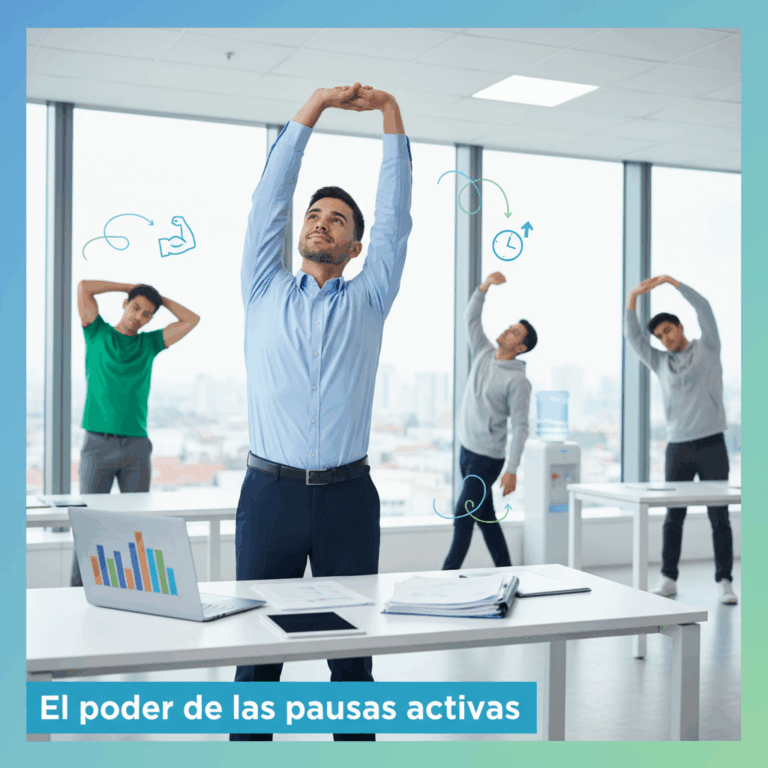
The active pauses they are essential to maintain a high level of performance during the work day. They allow the body and mind to recover, improving productivity.
Incorporating these breaks into daily work helps reduce fatigue and maintain concentration on tasks, achieving a positive impact on overall employee efficiency.
Improved productivity and efficiency
Active breaks encourage a significant increase in productivity, as they allow the brain to recharge and avoid mental exhaustion. This translates into superior performance.
A study from Stanford University indicates that workers who integrate active breaks can increase their efficiency by up to one 20%. This implies better use of time and higher quality results.
Announcements
Impact on well-being and reduction of absenteeism
In addition to improving productivity, active breaks contribute to the worker's general well-being, reducing stress and promoting healthy habits in the work environment.
The World Health Organization highlights that these breaks can reduce by one 15% absenteeism rates due to illness, favoring a healthier and more harmonious work environment.
Physical and mental effects of active breaks
The active pauses they generate benefits both physically and mentally, helping workers stay healthy and focused during their day.
Announcements
Incorporating active breaks improves the quality of work life by reducing stress, activating the body and reactivating the mind, promoting a fundamental balance for performance.
Energy recharge and stress reduction
Active pauses allow for quick pauses energy recharge to the body, avoiding accumulated fatigue. This helps maintain optimal energy levels throughout the day.
Furthermore, these pauses contribute to the reduction of stress, since simple movements and short exercises reduce muscle tension and calm the mind.
Stress relief is reflected in a lower sense of exhaustion and a greater ability to face work challenges with a positive and renewed attitude.
Improved concentration and creativity
Taking active breaks rejuvenates the mind, promoting better concentration in post-rest tasks, which increases the quality of the work performed.
These pauses also enhance the creativity, giving space for the brain to generate new ideas and innovative solutions to daily problems.
By interrupting repetitive work, the mind is freed and can focus more clearly and spontaneously, promoting a more dynamic and productive work environment.
Improvement of posture and joint mobility
Active breaks promote better posture by correcting negative postural habits that worsen during long days sitting in front of a screen.
They also increase the joint mobility through specific exercises that prevent stiffness and possible musculoskeletal injuries, improving general physical health.
Incorporating these movements helps maintain a healthy spine, reduces pain and avoids complications derived from prolonged immobility at work.
Techniques to implement strategic breaks
To optimize the benefits of active breaks, it is essential to apply techniques that allow their correct integration into the work routine. These strategies facilitate effective rest and improved performance.
Implementing strategic breaks helps keep the mind fresh and the body active, avoiding accumulated fatigue and enhancing productivity throughout the day.
Use of the Pomodoro Technique
The Pomodoro Technique proposes dividing time into blocks of 25 minutes of intense work followed by 5-minute breaks. This method makes it easier to maintain concentration and energy.
During these short intervals, it is recommended to perform gentle movements or stretching exercises to activate the body and prevent muscle tension, thus increasing efficiency.
This approach reduces the feeling of mental exhaustion, avoiding burnout and promoting more effective management of work time.
Recommended duration and frequency for breaks
It is advisable to take active breaks every 50 to 60 minutes of work, lasting between 5 and 10 minutes to obtain optimal physical and mental results.
These short but frequent breaks allow for constant recovery that keeps productivity high and reduces the stress accumulated during the workday.
Adapting the frequency and duration of these breaks to the nature of the work guarantees better adherence and sustainable results.
Long-term results
Active breaks not only offer immediate benefits, but also positively impact the long-term well-being and health of employees.
Implementing these breaks in the work routine contributes to creating a healthier environment, increasing the satisfaction and quality of life of workers over time.
Increased job satisfaction
Active breaks generate a sense of well-being that translates into greater job satisfaction. Employees feel valued and cared for in their workspace.
This increase in satisfaction improves motivation and commitment, which favors better performance and a more positive and productive work environment.
Additionally, reducing stress and fatigue from active breaks promotes a healthier relationship with daily responsibilities.
Reduction of sick leave and better quality of life
Regular practice of active breaks significantly reduces the sick leave related to musculoskeletal problems and work stress.
According to the World Health Organization, this reduction can reach up to 40%, improving the permanence and general health of employees in the long term.
Likewise, it improves quality of life by reducing pain, fatigue and promoting healthy habits that are maintained beyond the work environment.